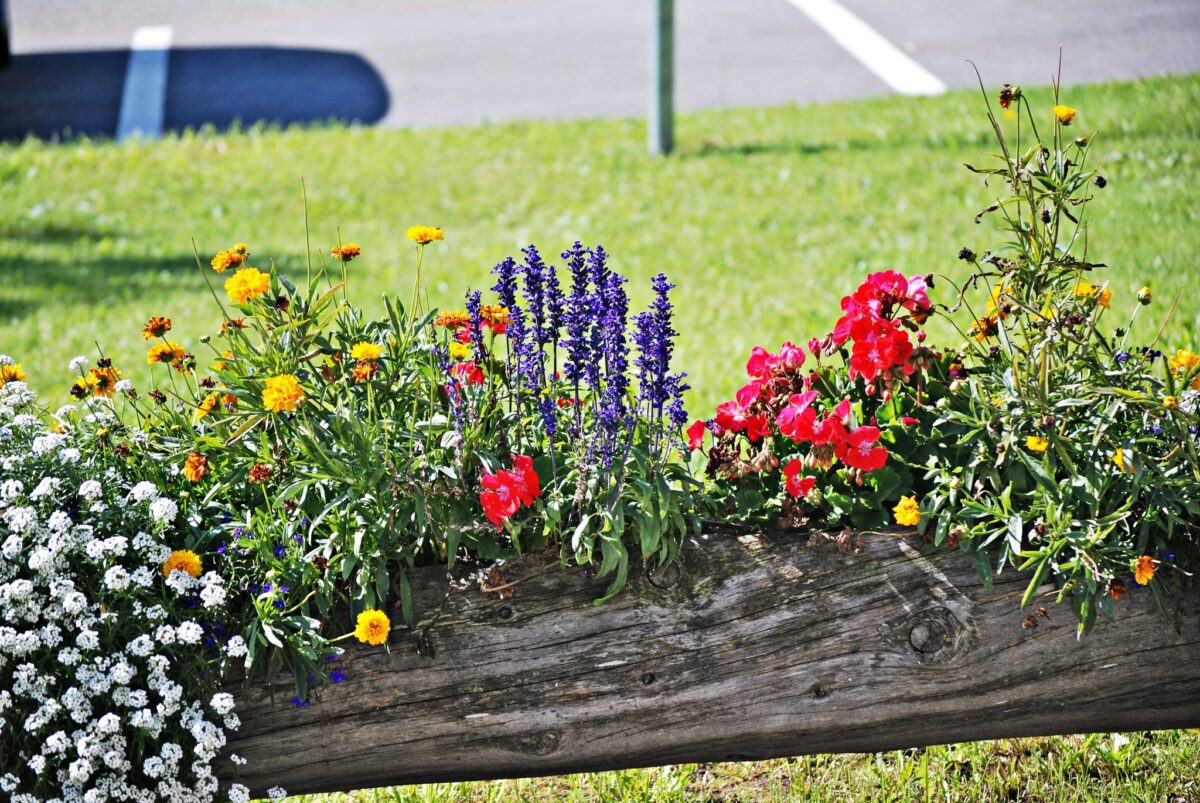
The Best Varieties for Creating Borders
April 2025
The Best Trees for Shading the Garden
April 2025
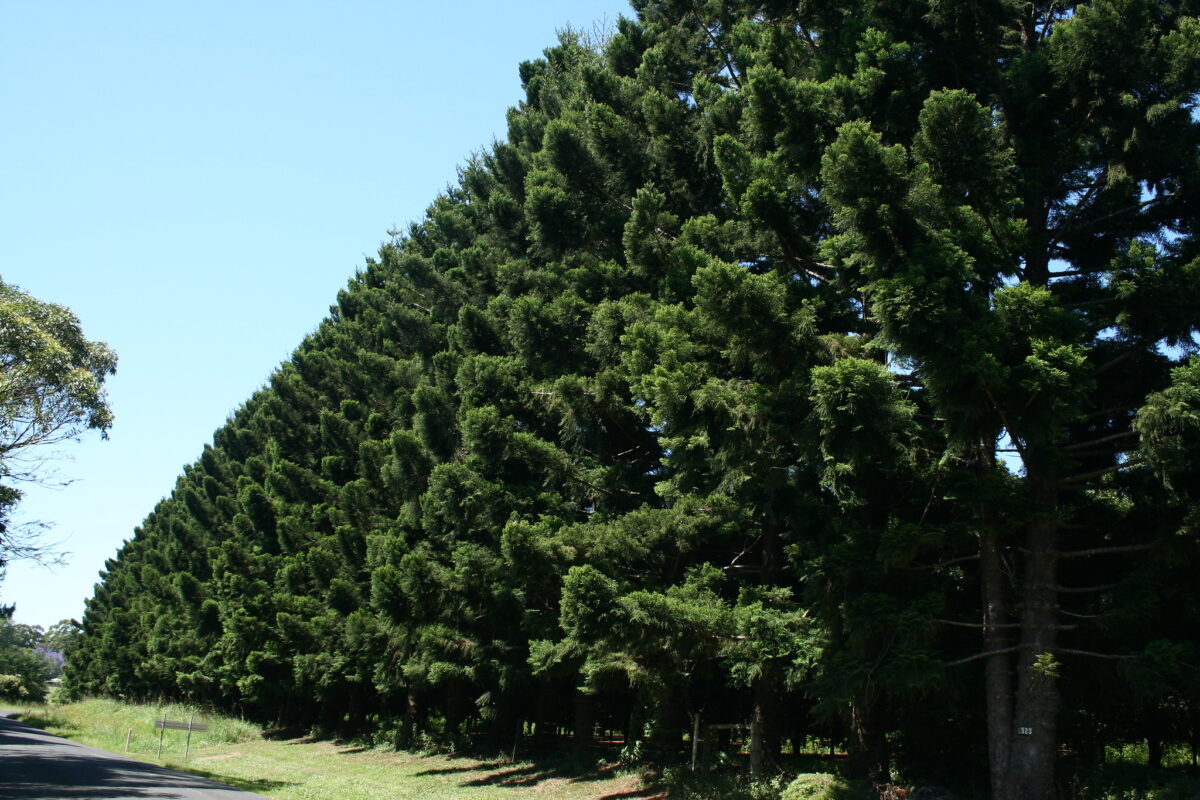
Below is a list of plant varieties suitable for windbreaks. For more detailed descriptions, refer to the dedicated pages for each variety on the MGF Vivai website.
Betula pendula ‘Youngii’ (Weeping Birch ‘Youngii’)
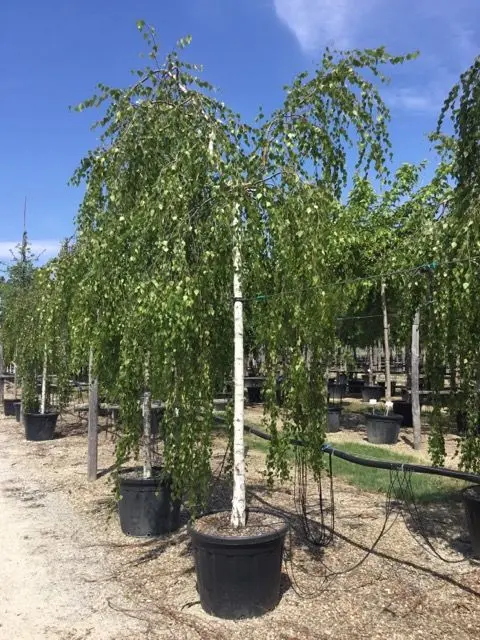
Small ornamental tree with slow growth, characterized by thin, pendulous branches forming an elegant, rounded crown. The bark is white and decorative. Ideal for small gardens, prefers well-drained soil and a sunny position.
Cupressocyparis leylandii (Leylandii)
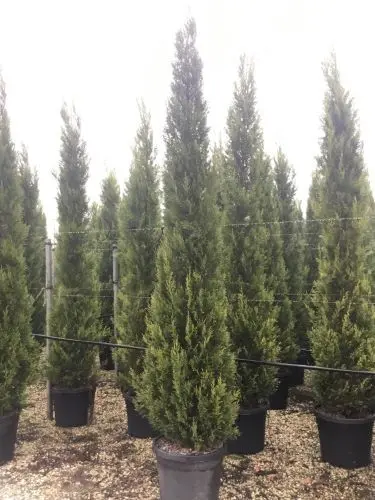
A vigorous, fast-growing evergreen conifer, often used for hedges and windbreaks. Has dense, dark green foliage, tolerates pruning well, and grows in various soil types.
Elaeagnus ebbingei (Ebbinge Olive)
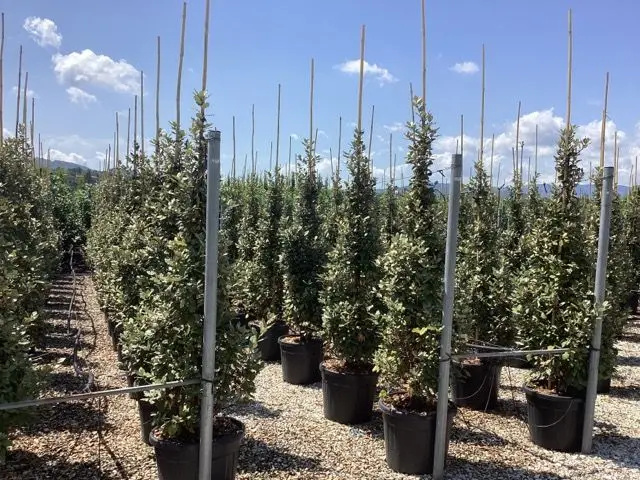
Evergreen shrub with dark glossy leaves on top and silvery undersides. Produces small fragrant flowers in autumn and edible fruits. Excellent for hedges and windbreaks, even in coastal environments.
Eucalyptus rostrata (Red Gum)
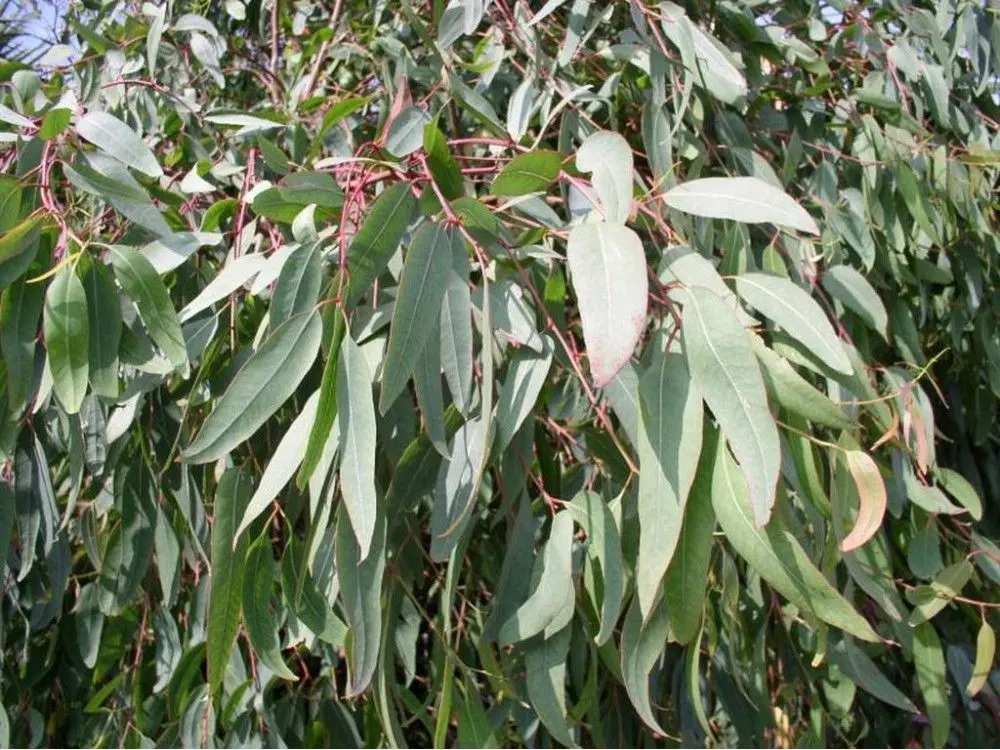
Large evergreen tree native to Australia. Has aromatic, elongated leaves and decorative peeling bark. Fast-growing and well-suited to mild climates. Valued for timber production and ornamental uses.
Olea europaea ‘Frangivento’ (Olive ‘Frangivento’)
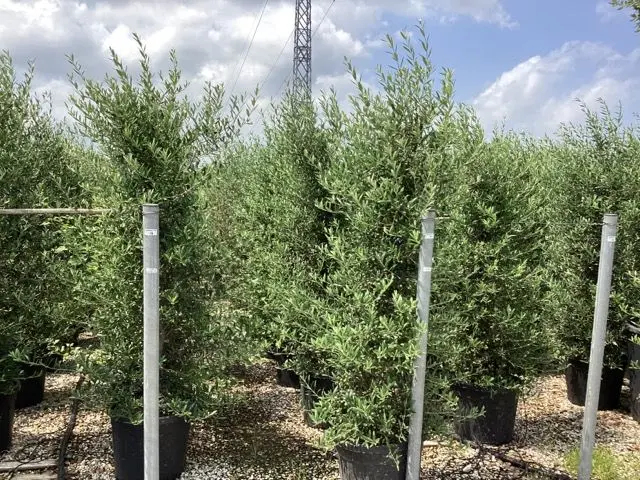
Olive variety selected for wind resistance. Evergreen, with a compact silvery crown. Produces olives but mainly used as an ornamental tree or green barrier in windy areas.
Populus nigra ‘Pyramidalis’ (Columnar Black Poplar)
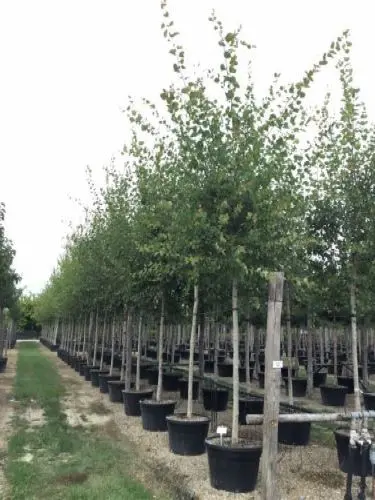
Fast-growing tree with a narrow, columnar habit. Dark green triangular leaves and upright branches. Often used as a windbreak or ornamental tree in avenues and parks. Prefers sunny, moist areas.
Sorbus aucuparia (Rowan / Mountain Ash)
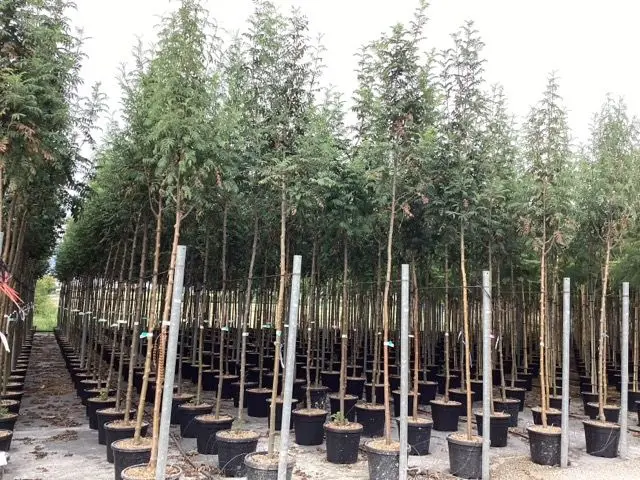
Medium-sized ornamental tree with compound leaves and white spring flowers, followed by red berries highly appreciated by birds. Tolerates cold and adapts to various soil types. Also suitable for woodland settings or as a standalone tree.